
Platform
From tumor biology to testable predictions
We test cancer models in our own lab, measure how and why they respond, and connect the results in models that predict response to new compounds and combinations.

A closed loop, from experiments to predictions
Our platform runs as a closed loop. Every experiment improves the model, and every model output points to the next experiment.
Laboratory ↔ Model
Profile
Characterize tumor models by functional drug response, signaling and molecular profiles.
characterize tumor models by functional drug response, signaling and molecular profiles.
connect these measurements in mechanistic models, supported by machine learning and AI.
generate testable predictions of sensitivity, resistance and combination effects.
test predictions in the lab and feed the results back into the model.
define biologically meaningful subgroups for development decisions.




Capabilities · Layer 1
Biologically diverse tumor models
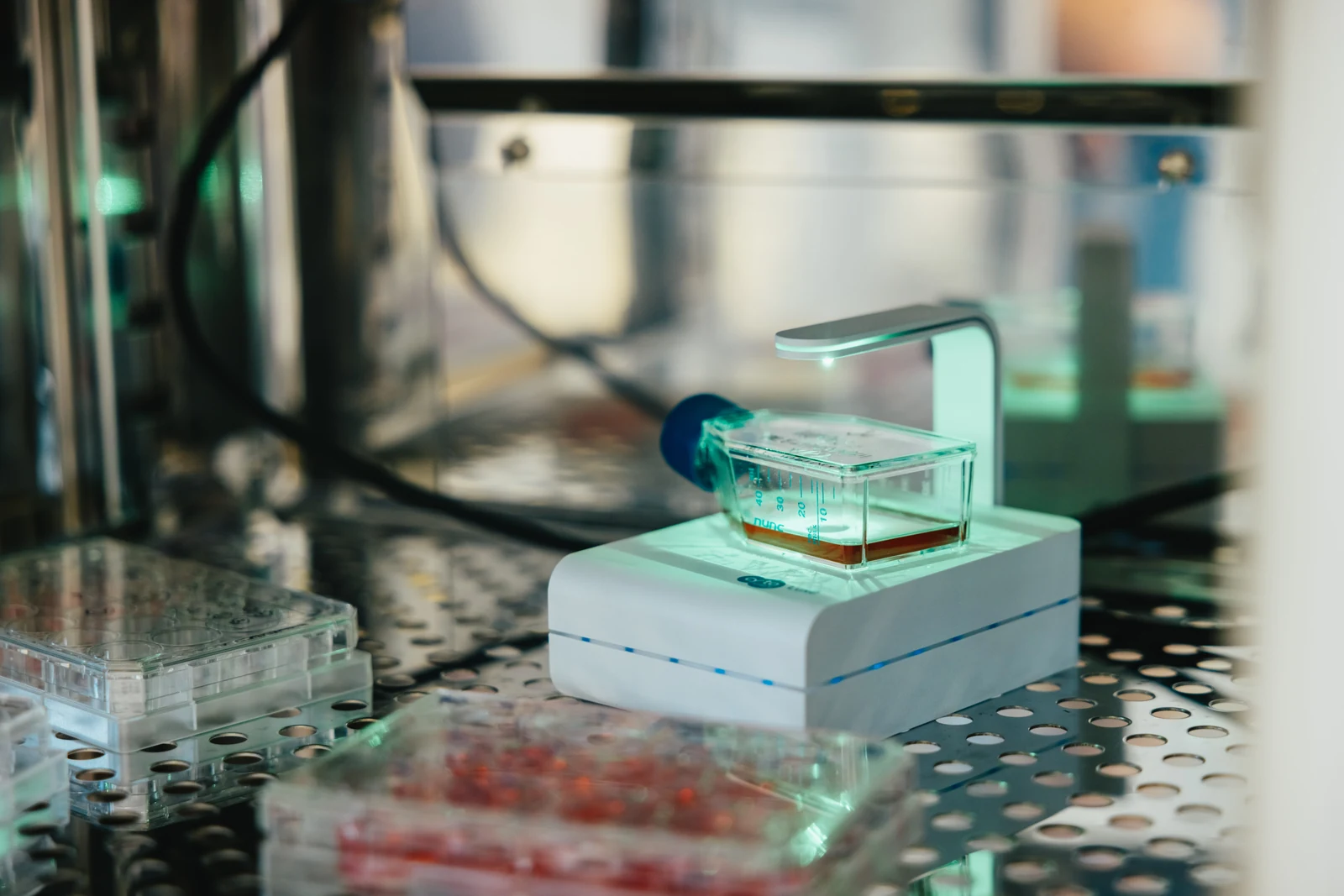
We run functional drug-response studies in our own laboratory in Maribor.
- Panels of molecularly characterized cancer cell lines and patient-derived models
- Viability, cytotoxicity, apoptosis and invasiveness assays across dose ranges and time points
- Single compounds, formulations and combinations, including standard-of-care drugs

Capabilities · Layer 2
Integrated response data
We measure more than whether a tumor model responds. We measure what changes inside it.
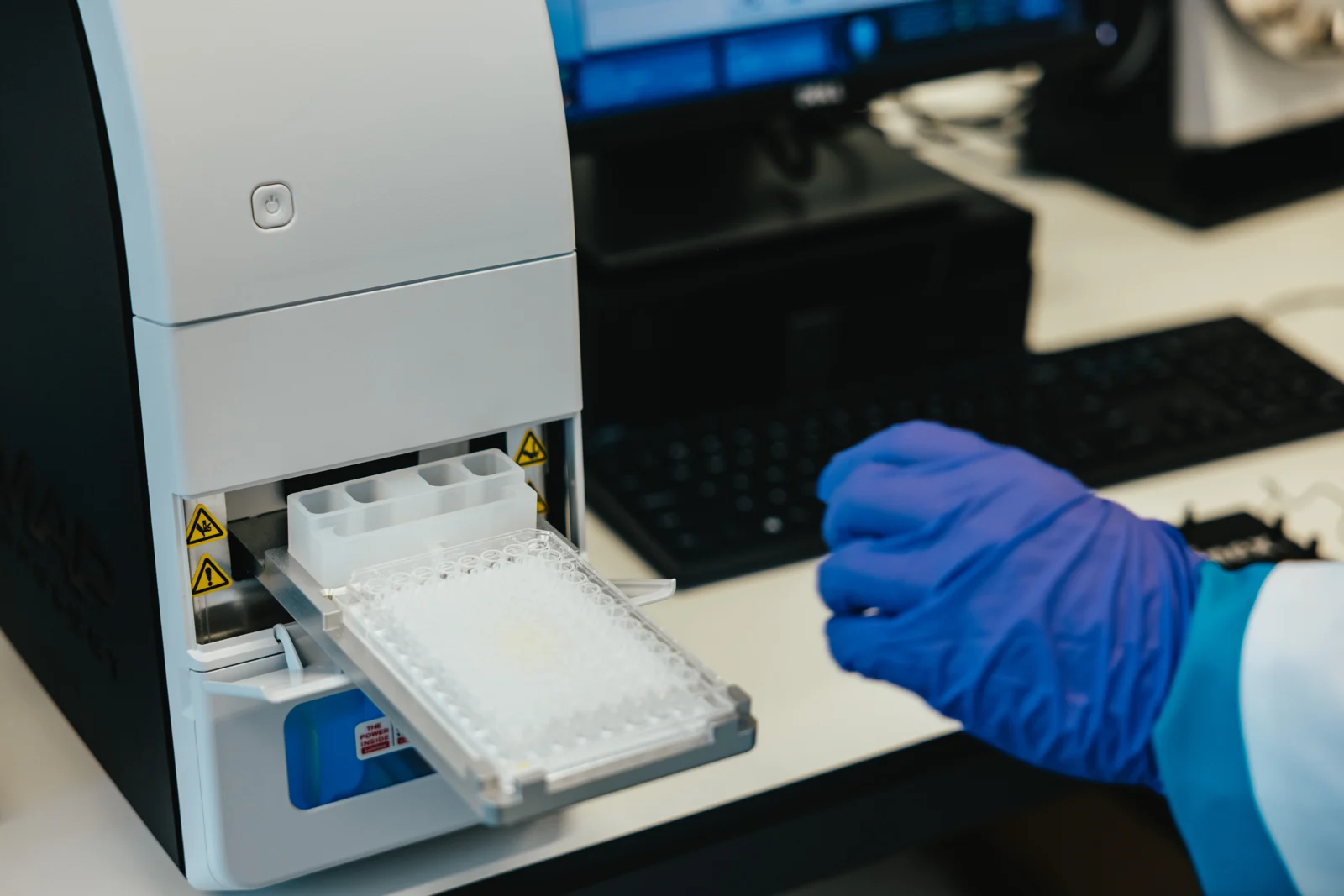
- Multiplex phospho-protein measurements of key signaling pathways
- Transcriptomic and proteomic profiling of models
- Endocannabinoid-system profiling: receptors, enzymes and ligands
- All data linked per model, compound and condition
Capabilities · Layer 3
Predictive model
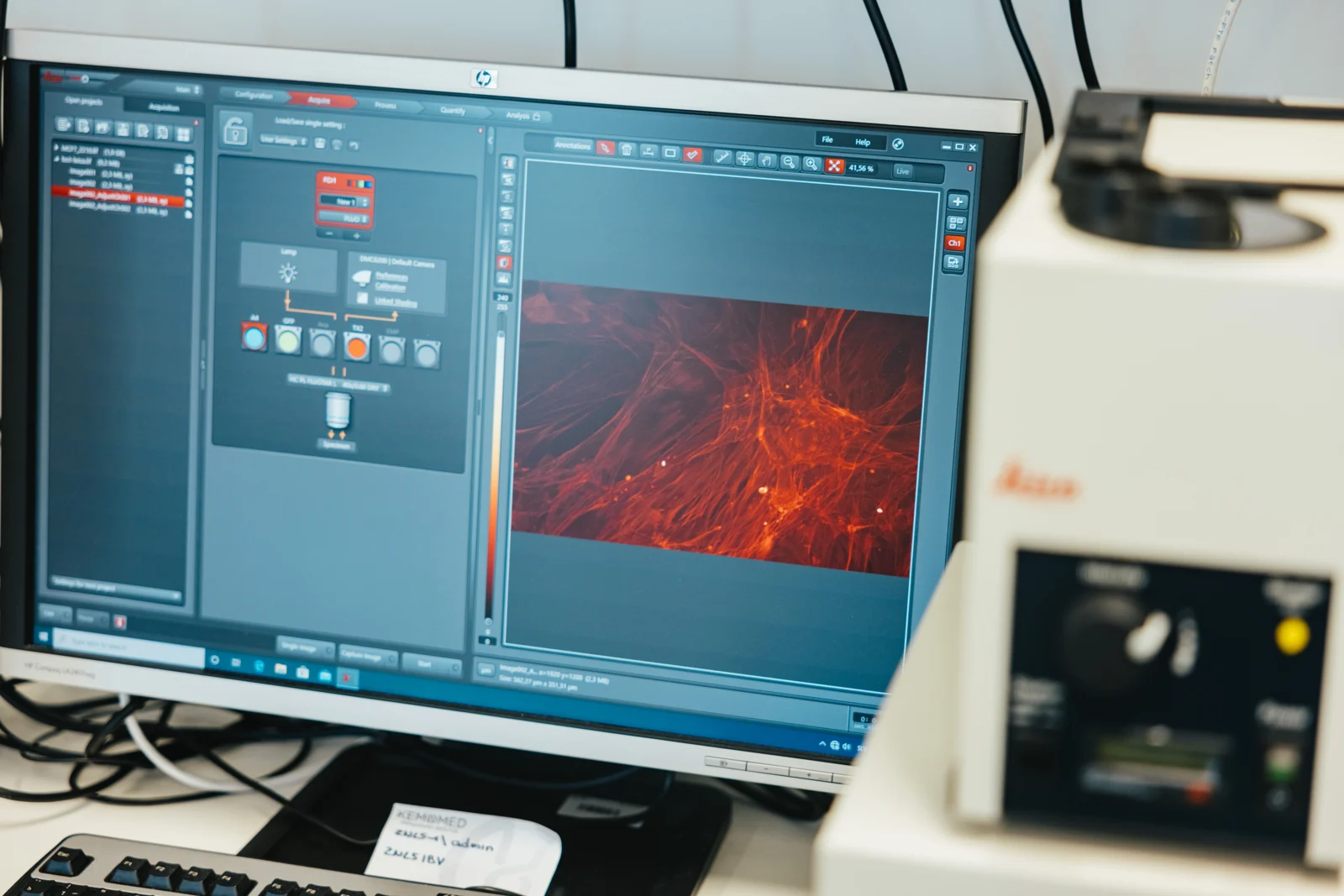
Our models are built on known biology, so every prediction can be traced back to a pathway.
- Mechanistic network models that link drug targets to signaling and response
- Machine learning that integrates genomic, proteomic, phenotypic and response data
- Calibrated on each tumor model’s own data: a digital twin of that tumor
- Continuously improving as new data is added
What the platform delivers
- Response patterns across biologically different tumor models
- Biomarker hypotheses for sensitivity and resistance
- Compound and combination priorities for the next experiments
- Stratification strategies for development programs
From drug development to clinical decision support
Today we work with drug developers. The same models, strengthened by growing evidence and prospective clinical validation, are designed to support patient stratification and therapy matching in the clinic in the future.

Have a response question in your oncology program?
Tell us about your compound and the decision ahead. A short, non-confidential description is enough to start.
Discuss a project