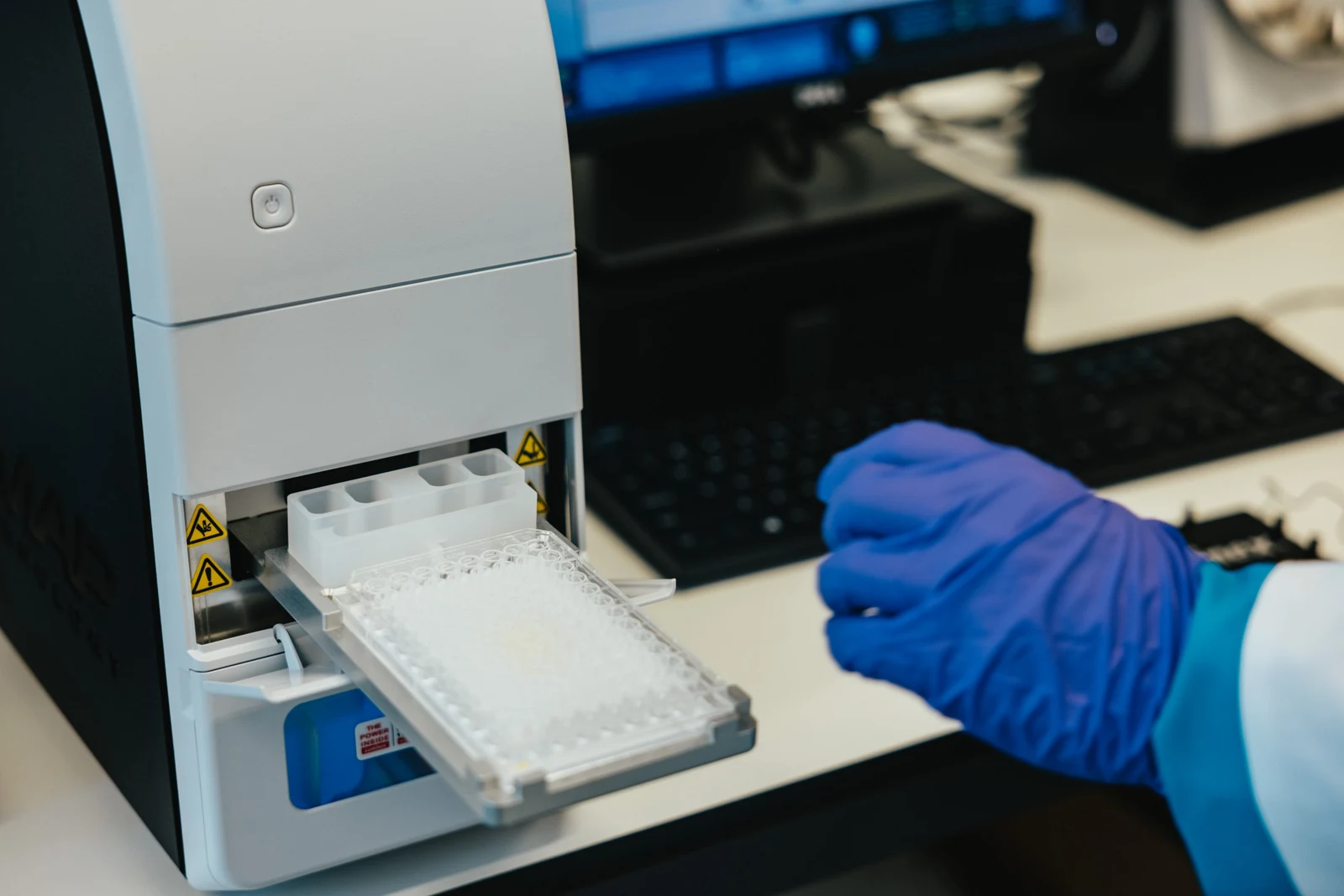
Responder and biomarker mapping
Which tumor models respond, and which molecular features explain it? Get responder groups and candidate biomarkers for stratification.

Use Cases
We work with biotech and pharmaceutical teams on focused questions about oncology treatment response, from a first pilot to longer co-development.

Which tumor models respond, and which molecular features explain it? Get responder groups and candidate biomarkers for stratification.
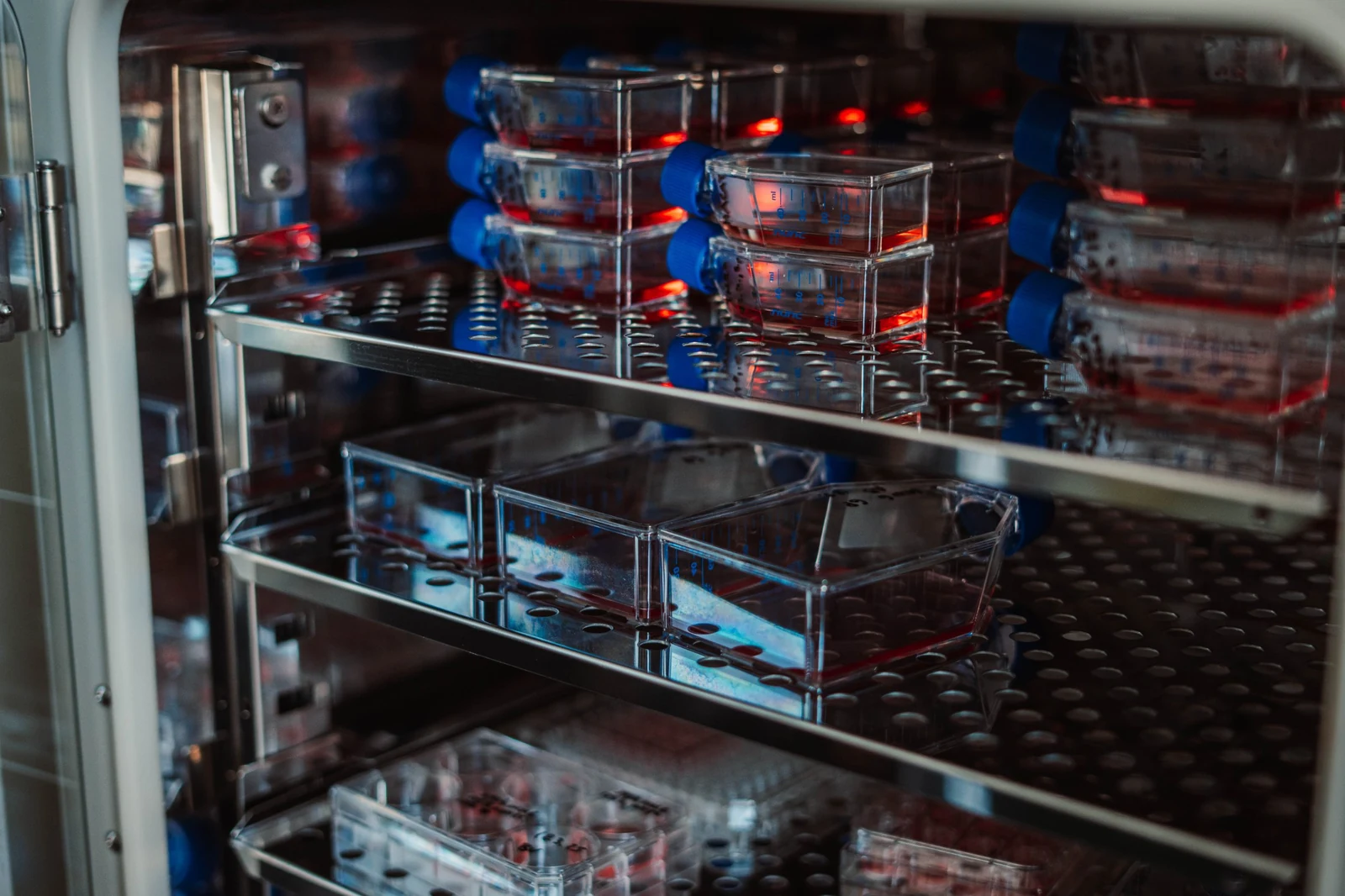
Which combinations with standard-of-care therapies have a mechanistic rationale, and where does resistance emerge?
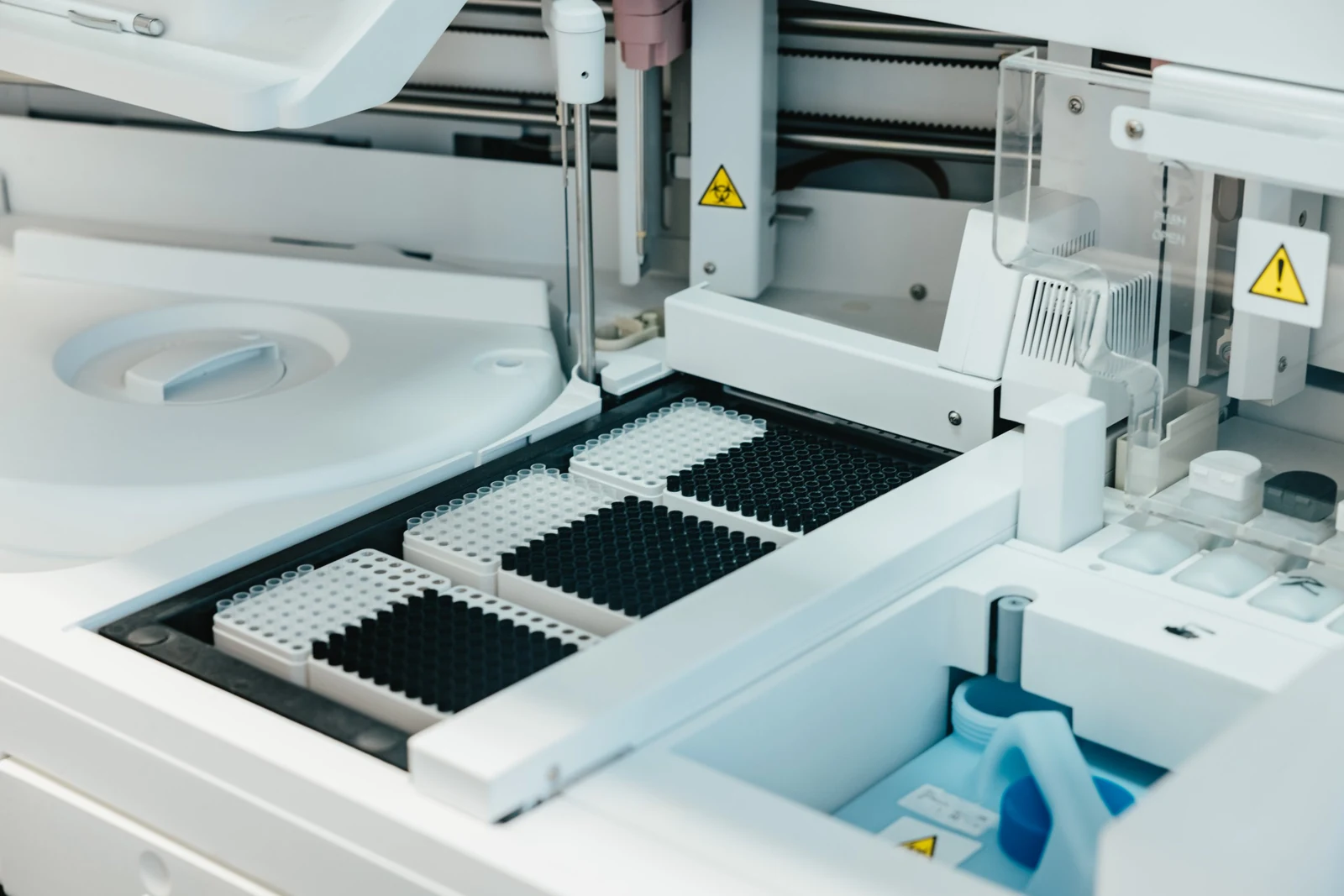
Which candidates deserve the next round of investment? Compare them on response and mechanism in one defined panel.
Do cannabinoids or ECS-targeting compounds affect tumor growth or the activity of cancer therapies? Profile this before it becomes a clinical question.
Where does the biology point to the strongest fit for your asset?
What evidence would support your next development decision?
One defined question, an agreed panel of tumor models and a clear readout.
A longer collaboration that combines your assets and questions with our platform.
Scope, deliverables and timing are agreed for each project. We work under NDA and agree data ownership and IP terms upfront.
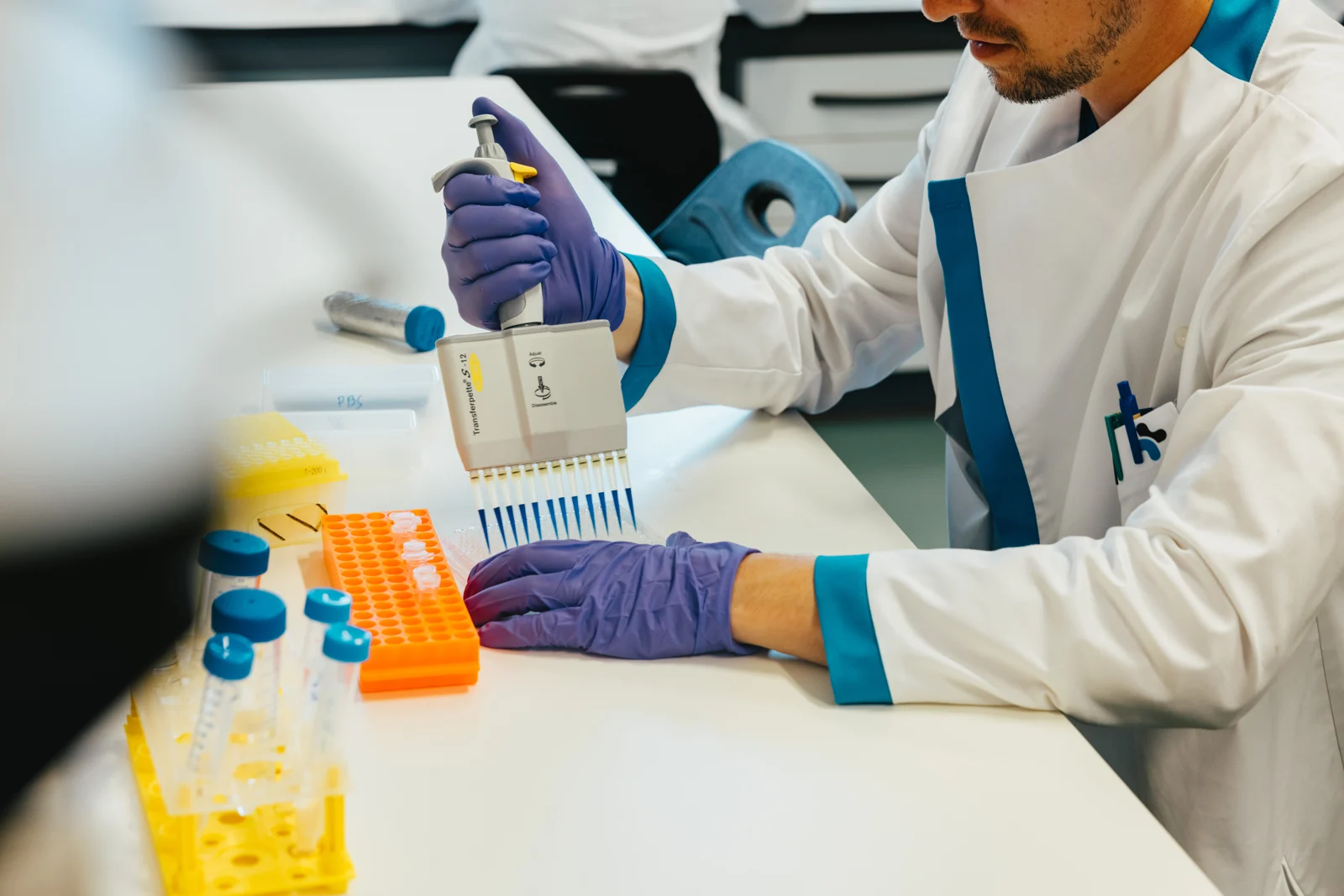
Tell us about the asset, the observed response pattern and the decision you need to make.
We discuss the biological context, available data or models, and the feasibility of a focused collaboration.
Where there is a fit, we define the scope, milestones and expected outputs together.
We run the study in our lab, share results at agreed points and review the findings with you.
A short, non-confidential description of your compound and the decision ahead is enough to start.
Discuss a project